Are Bats Dangerous Around Your Columbia Home?

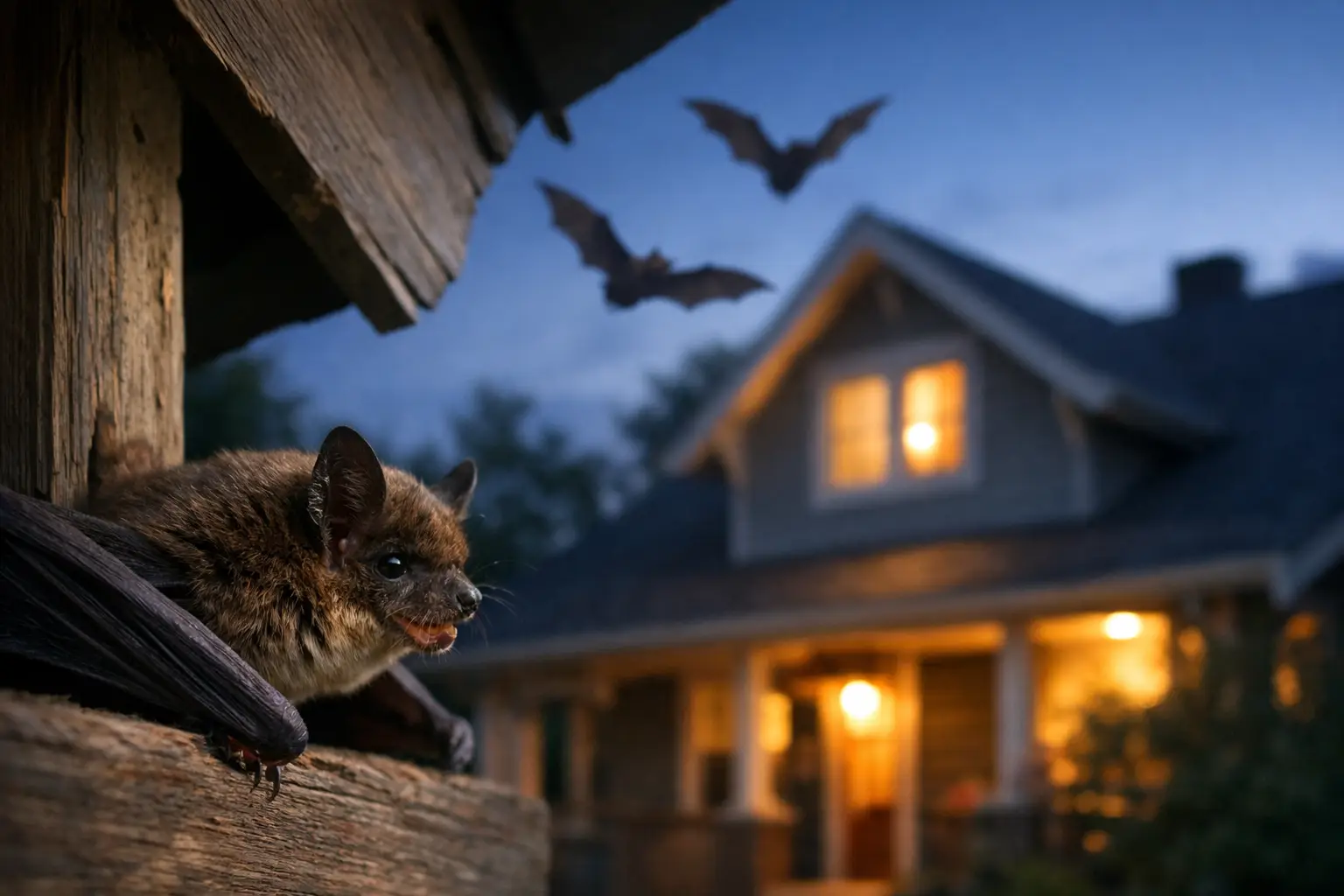
A bat circling your porch light is usually doing exactly what it should: eating insects. A bat flying through your living room, appearing in a bedroom, or leaving droppings in the attic is a different situation. Are bats dangerous to people and homes? They can be, especially when there is direct contact, an unknown indoor encounter, or an established colony inside the structure. The right response protects your family while allowing the animals to be handled humanely.
When bats create a real safety concern
Bats are not naturally aggressive. They generally avoid people and are valuable insect predators in South Carolina. Problems begin when a bat is confined indoors, sick or injured, or has been using gaps in a roofline, vent, chimney, or siding to enter the home.
The most serious concern is rabies exposure. Rabies in bats is uncommon, but the disease is fatal once symptoms begin. A bat bite can be very small and may not leave a clear mark. That is why a bat found in a room with a sleeping person, an unattended child, someone who may not recognize a bite, or a pet deserves immediate attention, even if nobody remembers touching it.
Do not pick up a bat with bare hands, try to swat it away, or release it before you have spoken with the appropriate health authorities if exposure is possible. Move people and pets out of the room, close the door if you can do so safely, and call for professional guidance. If a person may have had contact, seek medical advice promptly. If a pet may have contacted the bat, call your veterinarian as well.
A bat in one room is not always an attic infestation
A single bat can enter through an open door, a fireplace opening, or a small gap near a window. It may be lost rather than living in the house. Still, one indoor sighting is worth taking seriously because bats can fit through openings as small as about three-eighths of an inch.
If bats appear repeatedly, especially around dusk or dawn, homeowners should assume there may be an active entry point. Scratching, light chirping in walls, brown staining near roof gaps, and small dark droppings beneath an eave are all signs that further inspection is needed.
Are bats dangerous in an attic or wall void?
Bats can create health and property concerns when they roost inside a building over time. Their droppings, called guano, may collect in insulation, on attic floors, and around vents. Large accumulations can produce strong odors, attract insects, and contaminate materials used throughout the home.
Disturbing dry guano can also send dust into the air. In some circumstances, fungal spores associated with bat and bird droppings can contribute to histoplasmosis, a respiratory illness. The risk depends on the amount of material, the conditions in the area, and a person's health. It is not a reason to panic over a few droppings outside, but it is a clear reason not to sweep, vacuum, or clean a heavily soiled attic without proper equipment and containment.
Bats can also leave behind urine stains and odors that linger after the animals are gone. Unlike rodents, bats do not typically chew wiring or gnaw structural wood, but the contamination and damaged insulation associated with a long-term colony can still require professional cleanup and repair.
For landlords and property managers, an unaddressed bat roost can quickly become a tenant-safety and building-maintenance issue. The sooner the access points are identified, the more likely the remediation can remain focused and affordable.
What to do if a bat is inside your house
Stay calm and give the bat room to find its way out. Frantic attempts to catch it often increase the chance of contact. If there is no possible exposure and the bat is flying freely in a room, isolate pets and people, close interior doors, and contact a wildlife professional for safe removal advice.
If you know the bat entered from an open exterior door or window and there has been no contact, a trained technician can often remove it efficiently. However, do not assume an open window is the full explanation if bats have appeared more than once.
A bat found in a bedroom requires more caution. Do not handle or release it yourself when someone was sleeping in the room or may have had direct contact. Contact medical professionals or public health officials for exposure guidance, then arrange for safe wildlife handling. Fast action matters because it preserves the best options for evaluating the situation.
Keep children away, secure pets, and avoid using pesticides, glue traps, or improvised traps. These methods are unsafe, inhumane, and do nothing to solve the opening that allowed the bat inside.
Why exclusion is safer than simply removing bats
Removing one visible bat does not protect a home if the colony can still enter through the same gap tomorrow night. Effective bat control starts with a detailed exterior inspection of roof intersections, ridge vents, gable vents, soffits, chimneys, flashing, siding transitions, and other small openings.
Humane exclusion allows bats to leave without allowing them back in. A wildlife professional installs appropriate one-way exclusion devices at active exit points, then seals secondary gaps with durable materials. After the bats have exited, the devices are removed and final repairs are completed.
Timing matters. Bats have seasonal maternity periods when young bats may be unable to fly. Sealing adults out at the wrong time can trap dependent pups inside, creating odor, contamination, and animal-welfare concerns. A qualified local specialist will assess activity and use an exclusion plan that is both effective and humane.
This is why a quick patch job can backfire. Seal every hole before bats have a safe route out, and they may become trapped in walls or find another way into your living space. Wait too long, and contamination can spread deeper into insulation and attic materials. The best approach is a coordinated plan: inspect, exclude, seal, clean, and repair.
Protecting your Columbia-area home from future bat entry
Homes in Columbia, Forest Acres, Lexington, and surrounding communities often have the small construction gaps bats look for, particularly around older rooflines and attic vents. Storm damage, loose fascia, aging screens, and utility penetrations can all create access points that go unnoticed from the ground.
Homeowners can reduce the chance of an intrusion by keeping chimney caps and vent screens in good condition, repairing loose siding and soffits, and addressing roof damage promptly. Exterior lights may attract insects, which can attract bats to the area, but lights alone do not cause a bat infestation. The true issue is accessible shelter in the structure.
Avoid blocking a suspected bat opening without an inspection. Seeing bats leave from one spot does not mean it is the only entry point, and active bats may use more than one gap. A professional inspection identifies the full route of travel and the repairs needed to keep wildlife out for good.
Get help before a small bat problem grows
A bat outside at dusk is usually no cause for concern. A bat in living space, a possible bite or pet exposure, or evidence of an attic colony calls for a measured professional response. Carolina Critters provides humane bat exclusion, cleanup support, entry-point sealing, and property-focused repairs for homeowners who need their space made safe again.
Your family should not have to guess whether an attic noise is harmless wildlife or a growing contamination issue. When bats cross the line from outdoors to indoors, prompt, careful action can protect both your home and the animals looking for a way back outside.


Comments